
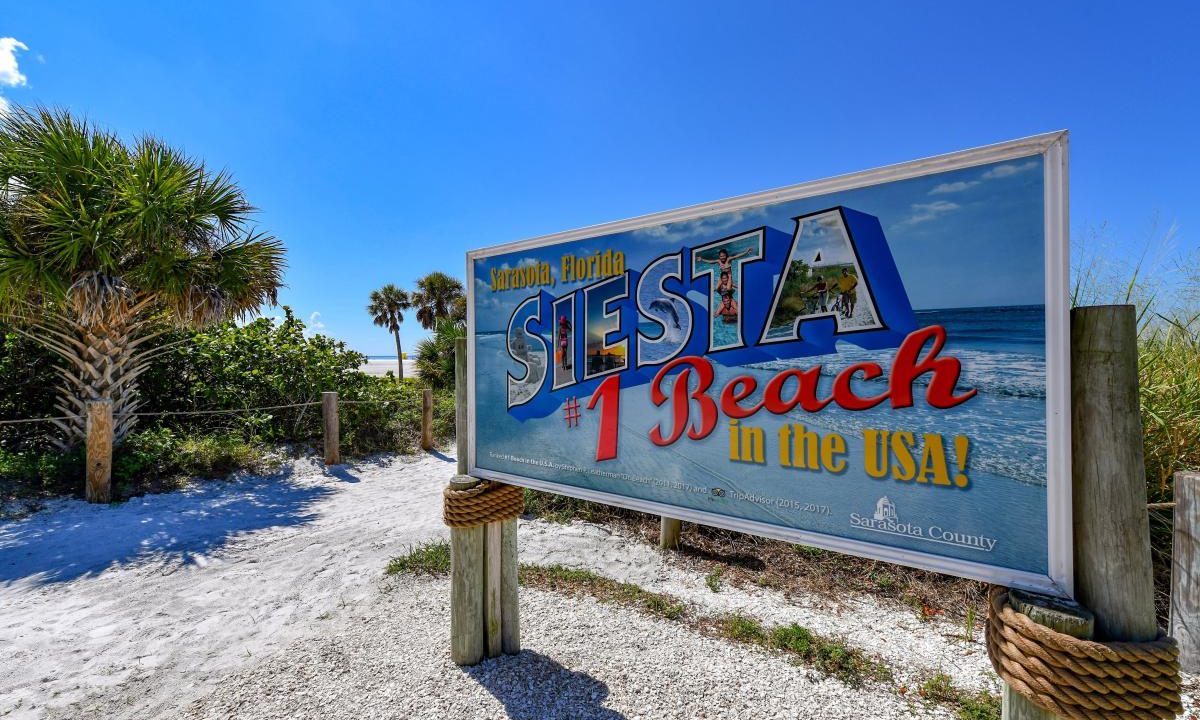
Siesta Key Beach, located on the barrier island of Siesta Key, is one of Florida’s most treasured destinations. Renowned for its powdery white sands, crystal-clear waters, and vibrant community, this beach has a rich history that adds depth to its natural beauty. From its geological beginnings to its rise as a world-class destination, Siesta Key Beach is more than just a picturesque getaway—it’s a historical gem.
Long before it became a popular beach destination, Siesta Key was shaped by natural forces over millennia. The island is part of Florida’s barrier island chain, formed by the accumulation of quartz sand carried from the Appalachian Mountains by rivers and ocean currents. This unique geological process resulted in the beach’s signature fine, white sand, which is made up of 99% quartz. Unlike coarser sands, Siesta Key’s sand remains cool to the touch even on the hottest days, a characteristic that continues to draw visitors from around the world.
The first inhabitants of the Siesta Key area were Native American tribes, including the Calusa and Timucua people. These tribes thrived along the Gulf Coast, utilizing the abundant marine resources for fishing and trade. Evidence of their presence, such as shell mounds and artifacts, has been discovered in the surrounding Sarasota area.
European settlement began in earnest in the 1800s when pioneers were drawn to the Gulf Coast’s fertile lands and bountiful waters. The area remained relatively isolated, with Siesta Key itself accessible only by boat or shallow water crossings. During this time, the island was known by various names, including Sarasota Key.
The island officially became Siesta Key in the early 20th century. The name is believed to have been inspired by the Spanish word “siesta,” reflecting the island’s serene and relaxing atmosphere. Around the same time, real estate developers and visionaries began to recognize Siesta Key’s potential as a vacation destination.
One key figure in Siesta Key’s development was Captain Louis Roberts, who arrived in the early 1900s and established the Roberts Cottages. These modest accommodations catered to visitors seeking a peaceful retreat by the sea. His efforts helped lay the foundation for the island’s tourism industry.
The development of Siesta Key took off in the 1920s, coinciding with Sarasota’s emergence as a cultural and architectural hub. Visionaries such as Bertha Palmer, a wealthy Chicago socialite who wintered in Sarasota, played a significant role in promoting the area. Palmer championed the natural beauty of Siesta Key and the surrounding Gulf Coast, attracting attention to the region from affluent Northerners.
The construction of the first bridge connecting Siesta Key to the mainland in 1917 was a transformative moment. It made the island more accessible and paved the way for further development. Hotels, resorts, and private residences began to dot the landscape, establishing Siesta Key as a premier vacation destination.
While Siesta Key was well-loved by locals and seasonal visitors for decades, its international fame surged in the latter half of the 20th century. A key turning point came in 1987 when Siesta Beach was ranked as one of the top beaches in the United States. The accolade drew attention to the island’s pristine sands, gentle waves, and welcoming atmosphere.
In 2011, Siesta Beach earned the title of “Best Beach in America” by Dr. Beach (Dr. Stephen Leatherman), a leading coastal scientist and beach expert. The recognition further solidified the beach’s reputation as a world-class destination, bringing in travelers from across the globe.
Siesta Key’s charm extends beyond its natural beauty. The island has developed a vibrant community that blends small-town warmth with cosmopolitan flair. The Siesta Key Village, located near the beach, serves as a lively hub for shopping, dining, and entertainment. Its eclectic mix of boutiques, seafood restaurants, and nightlife options reflects the laid-back yet sophisticated vibe of the island.
Throughout its history, the Siesta Key community has shown a commitment to preserving the natural environment and enhancing the visitor experience. Efforts to protect the beach’s delicate ecosystem include conservation programs and strict building regulations. These initiatives ensure that Siesta Key Beach remains unspoiled for future generations.
Today, Siesta Key Beach is celebrated for its amenities, natural splendor, and cultural significance. Spanning roughly 8 miles, the island offers a variety of attractions, including kayaking through mangrove tunnels, exploring nearby Turtle Beach, and enjoying spectacular sunsets.
The beach itself features family-friendly facilities such as picnic areas, volleyball courts, playgrounds, and lifeguard stations. Its accessibility and amenities have made it a favorite destination for families, honeymooners, and adventurers alike.
Annual events such as the Siesta Key Crystal Classic Sand Sculpting Festival and the Fourth of July Fireworks Celebration draw large crowds and highlight the island’s lively community spirit. These events not only showcase the artistry and creativity of Siesta Key’s residents and visitors but also contribute to the local economy.
Siesta Key Beach’s history is also a testament to the importance of environmental stewardship. Over the years, local organizations and residents have worked tirelessly to protect the island’s unique ecosystem. Sea turtle nesting season, which runs from May to October, is a significant event on Siesta Key. Community volunteers and conservation groups take measures to safeguard the nests and educate the public about the importance of marine wildlife protection.
Beach renourishment projects have been implemented to combat erosion and maintain the pristine condition of Siesta Beach’s sands. These efforts reflect the island’s dedication to balancing tourism with environmental preservation.
From its ancient geological formation to its rise as a global destination, Siesta Key Beach’s history is a narrative of transformation and celebration. Its breathtaking sands, tranquil waters, and vibrant community make it a beloved escape for millions of visitors each year.
The enduring appeal of Siesta Key Beach lies not only in its natural beauty but also in the stories of those who have shaped its identity. From Native American tribes to modern-day conservationists, the history of Siesta Key Beach is a reminder of the enduring bond between people and nature.
Whether you’re a first-time visitor or a lifelong admirer, Siesta Key Beach offers a chance to immerse yourself in a legacy of relaxation, exploration, and wonder. Its history is a testament to the island’s resilience, beauty, and the community’s dedication to preserving its unique charm for generations to come.
